


Click to view image and other views



10703
For Sale
Country Group: South and Southeast Asia (Thailand, Burma, Laos, Cambodia, India, Indonesia, Sri Lanka and Vietnam)
Item id: 10703
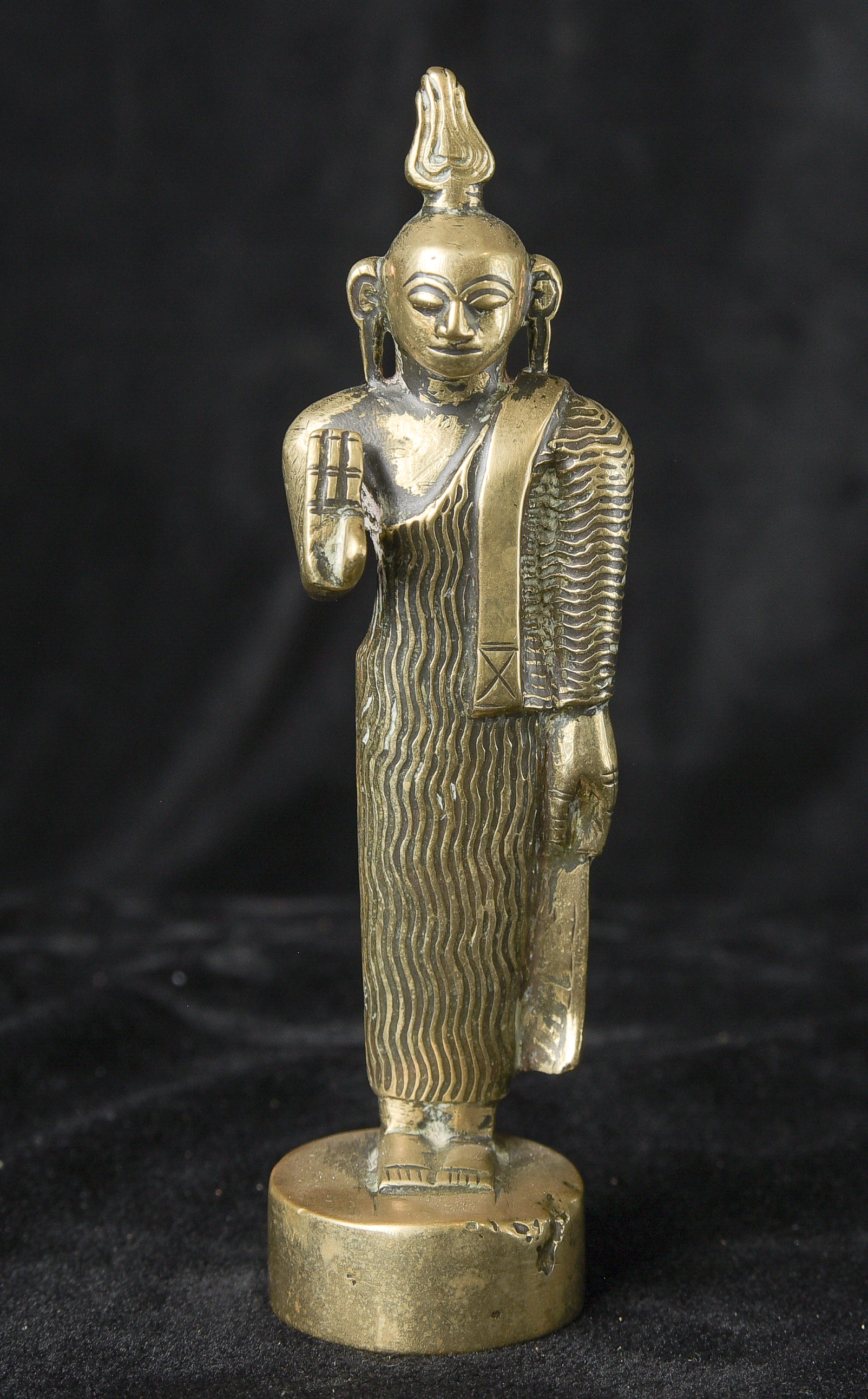
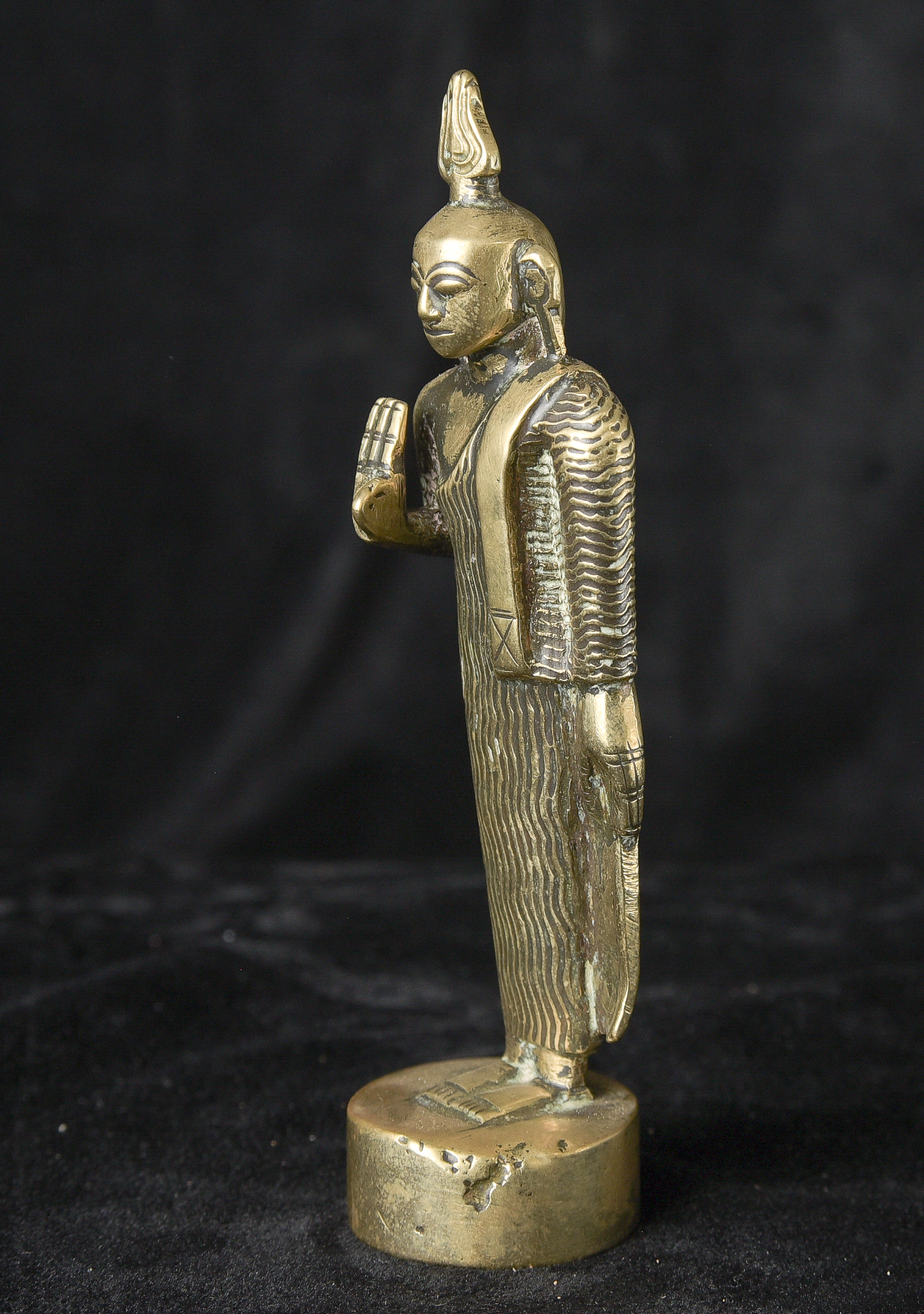
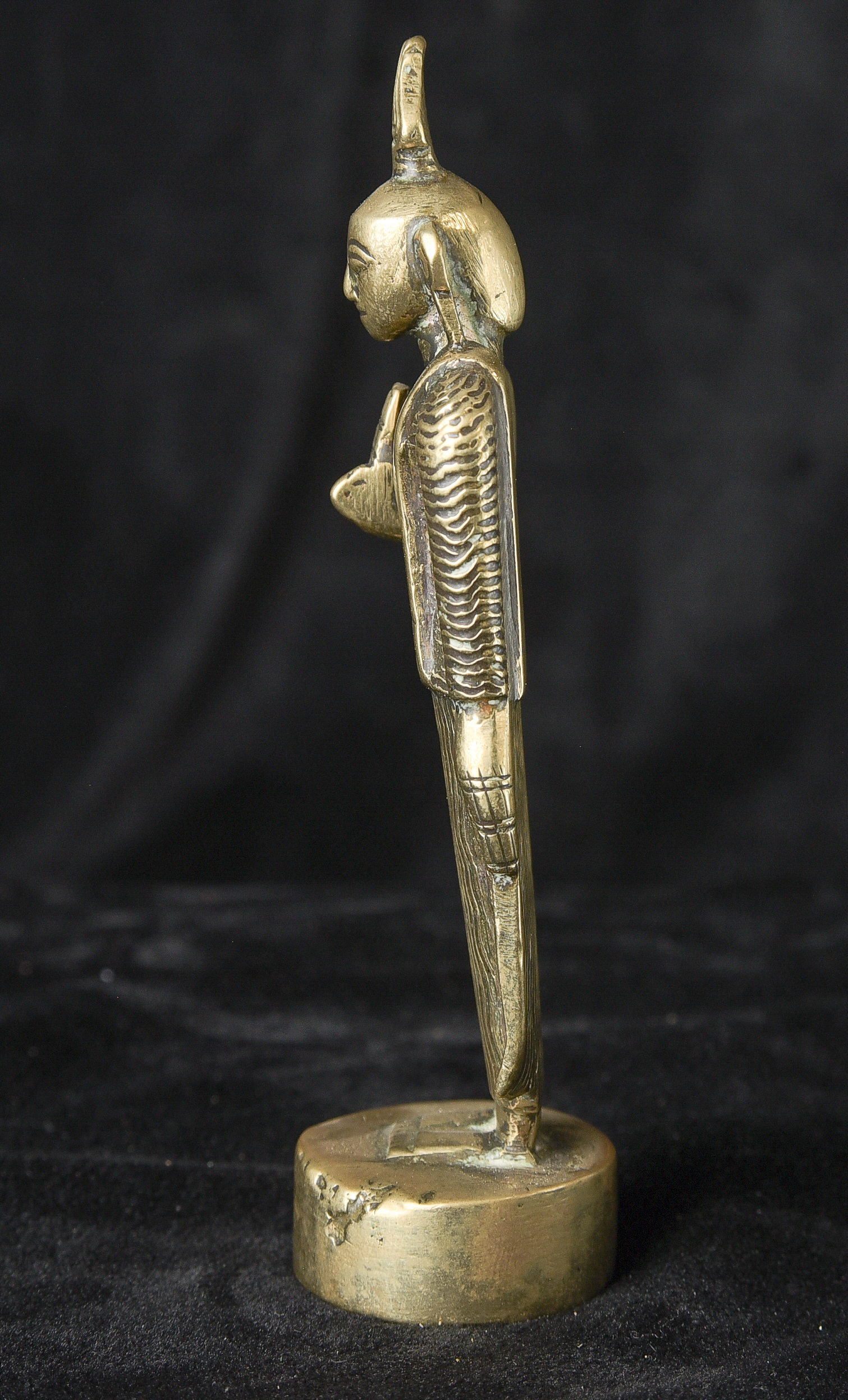
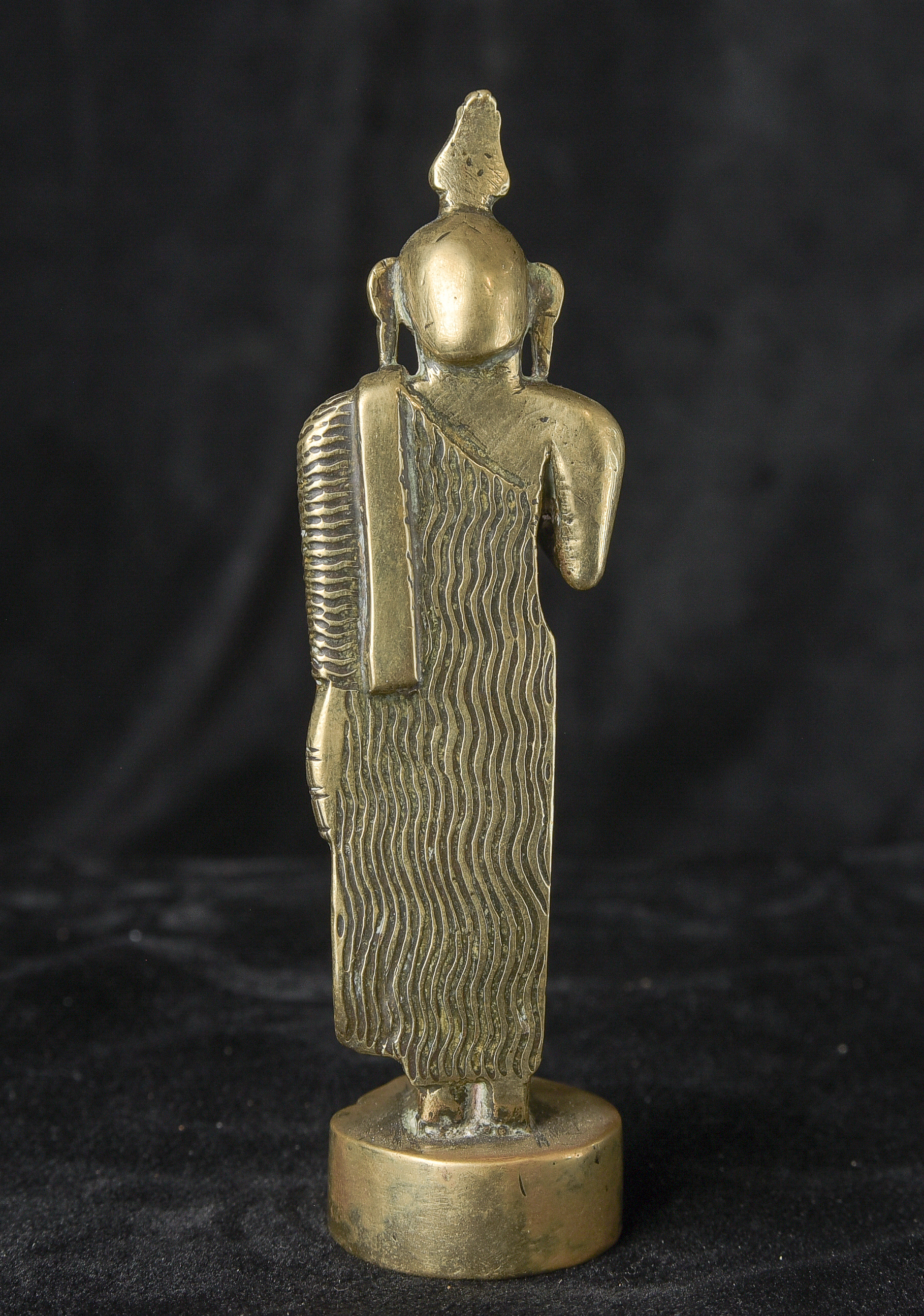
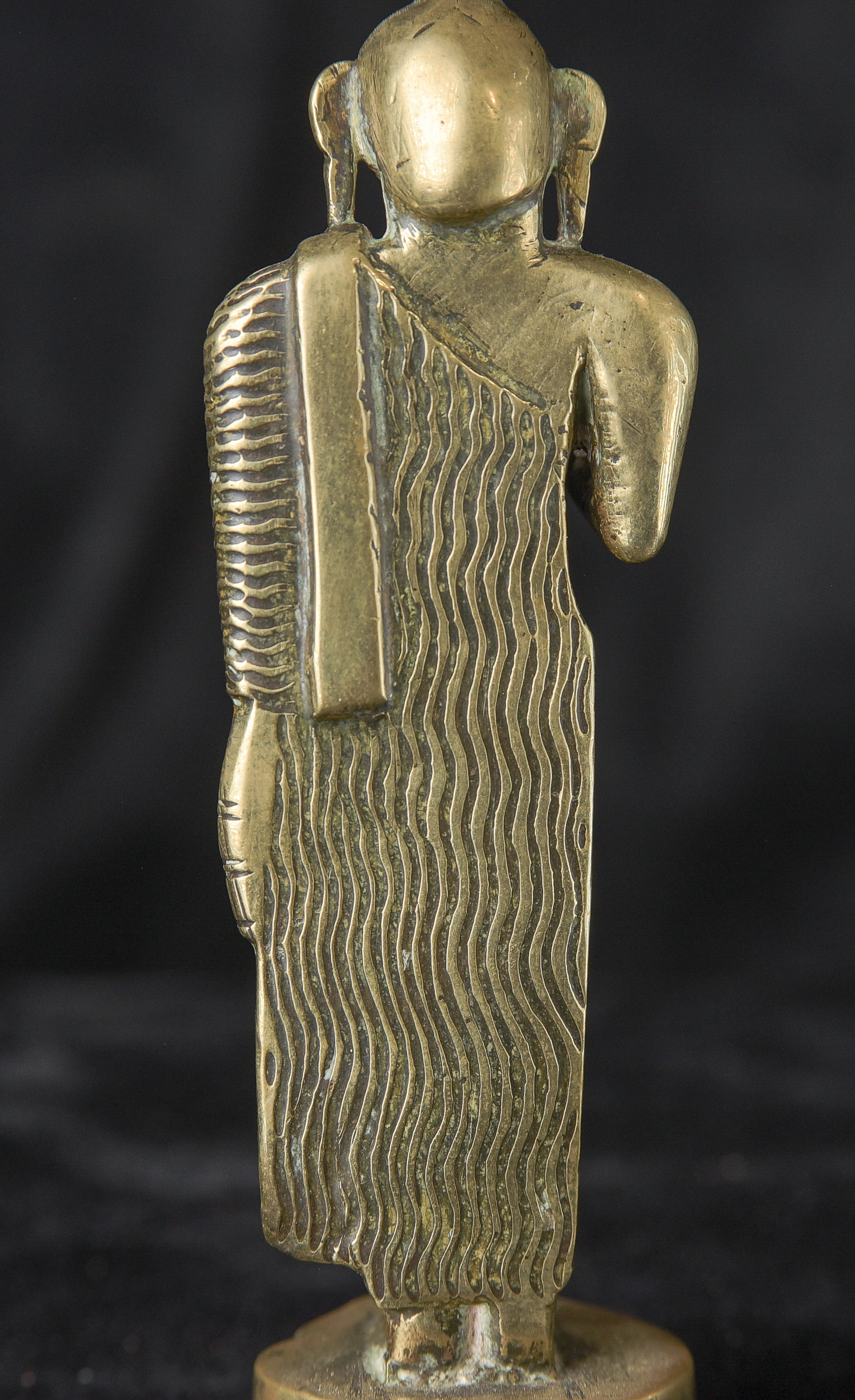
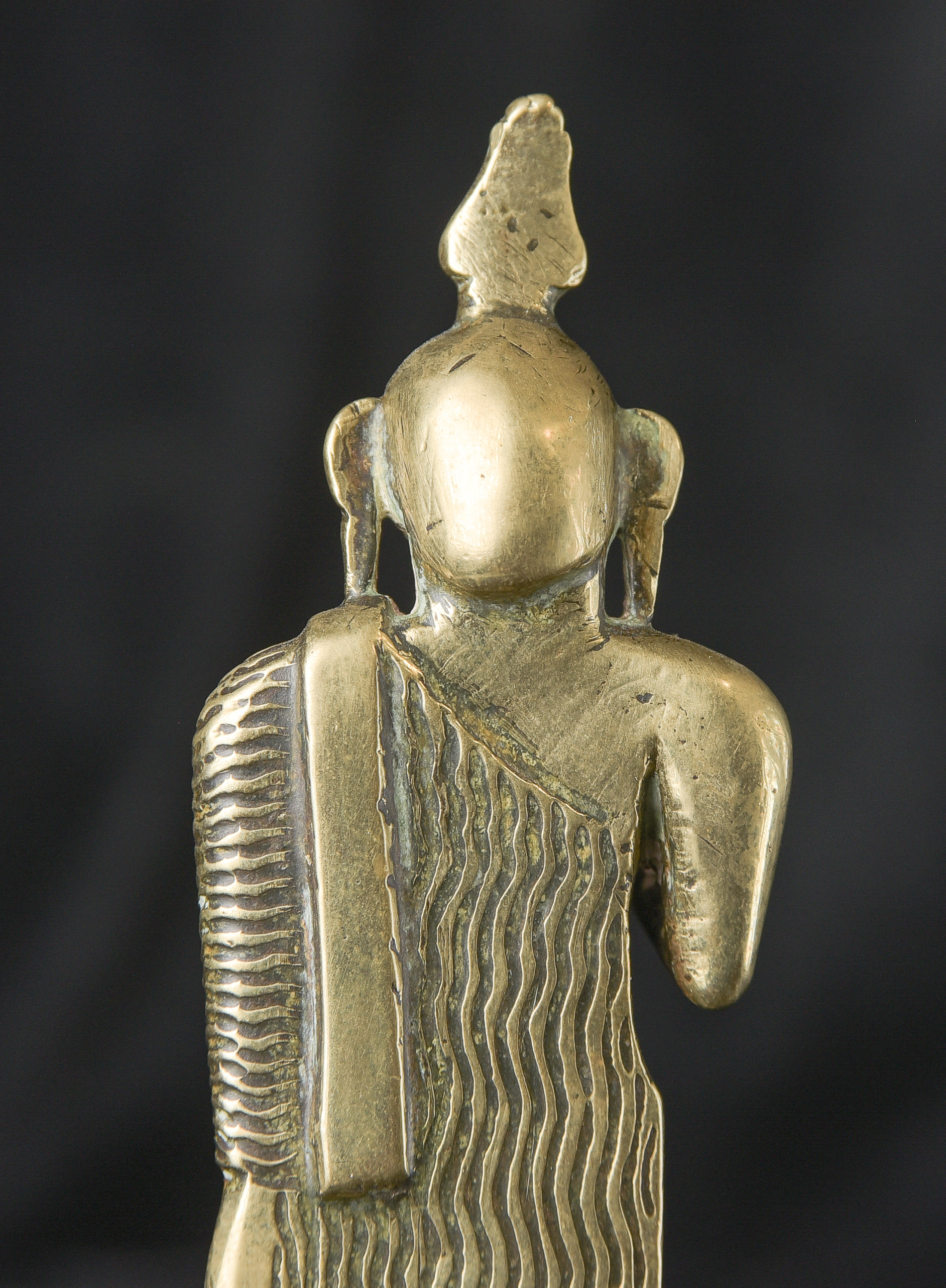
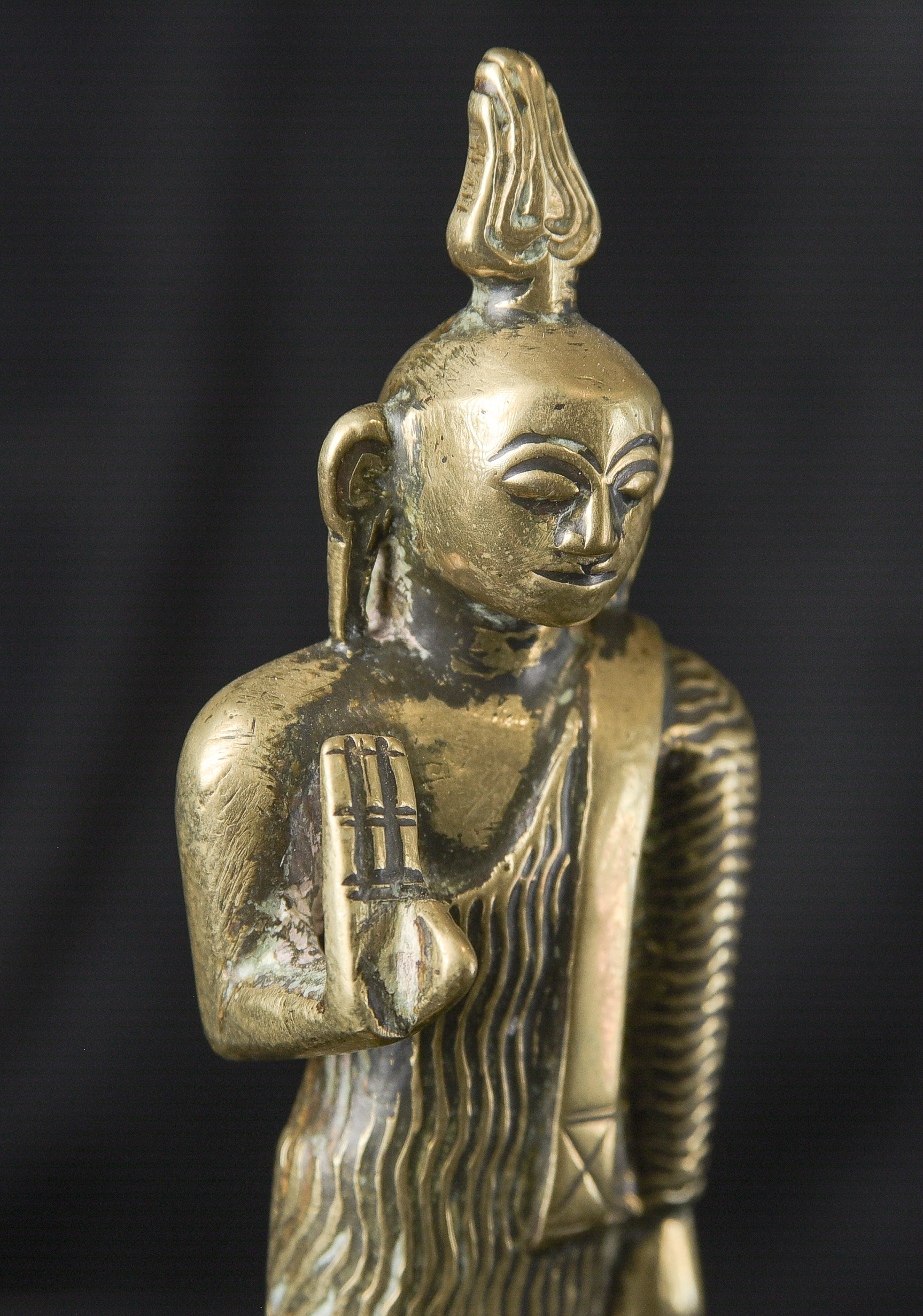
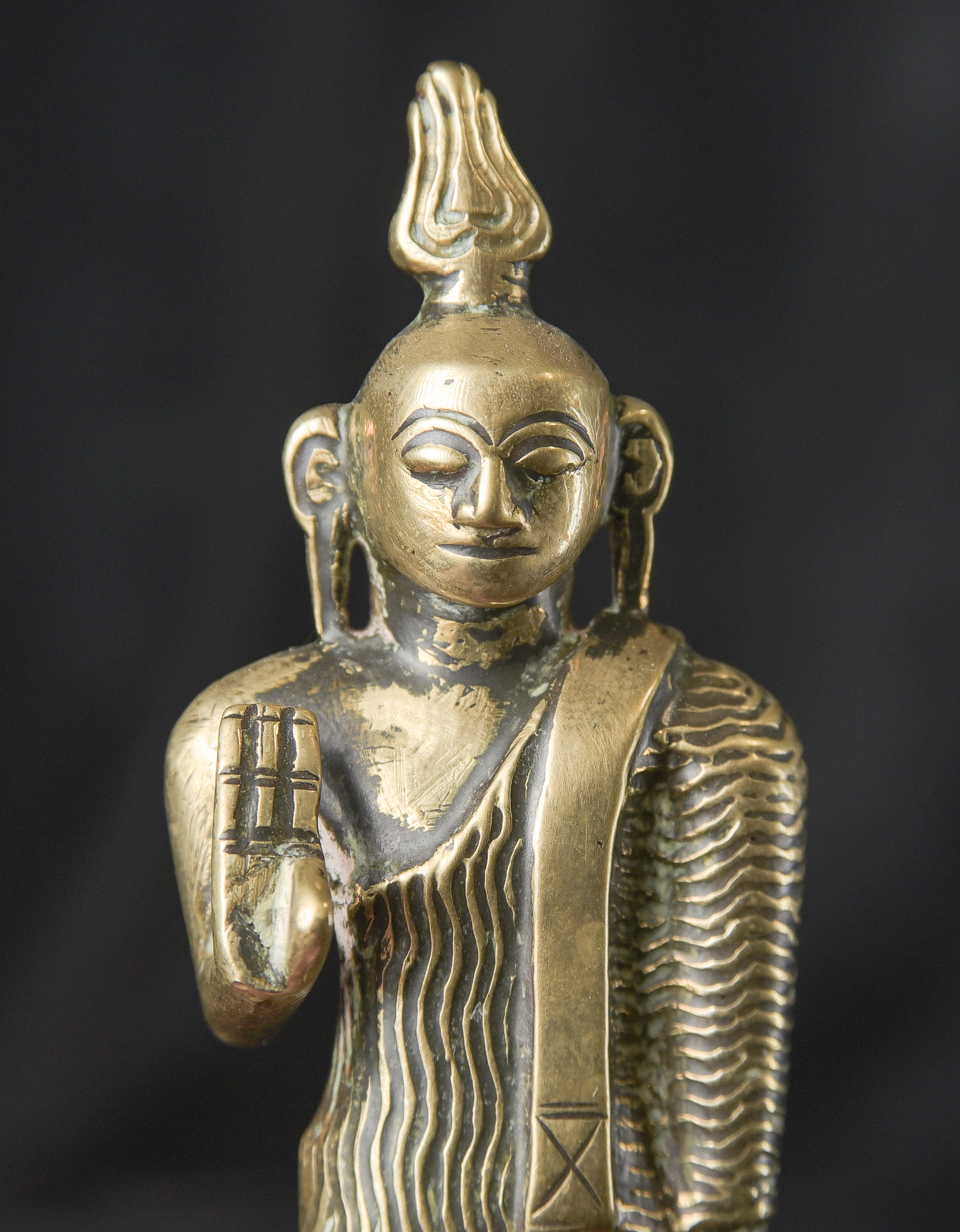
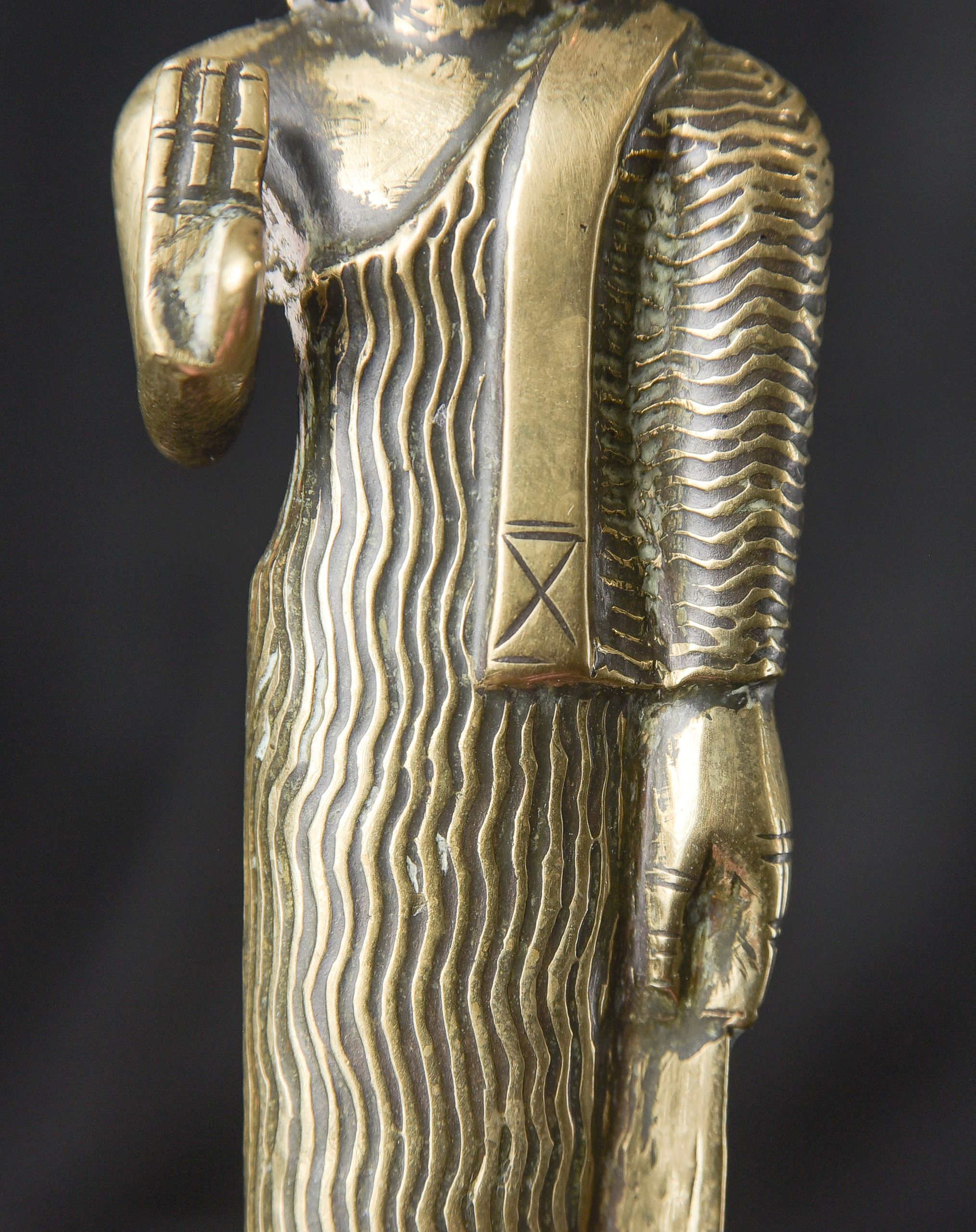
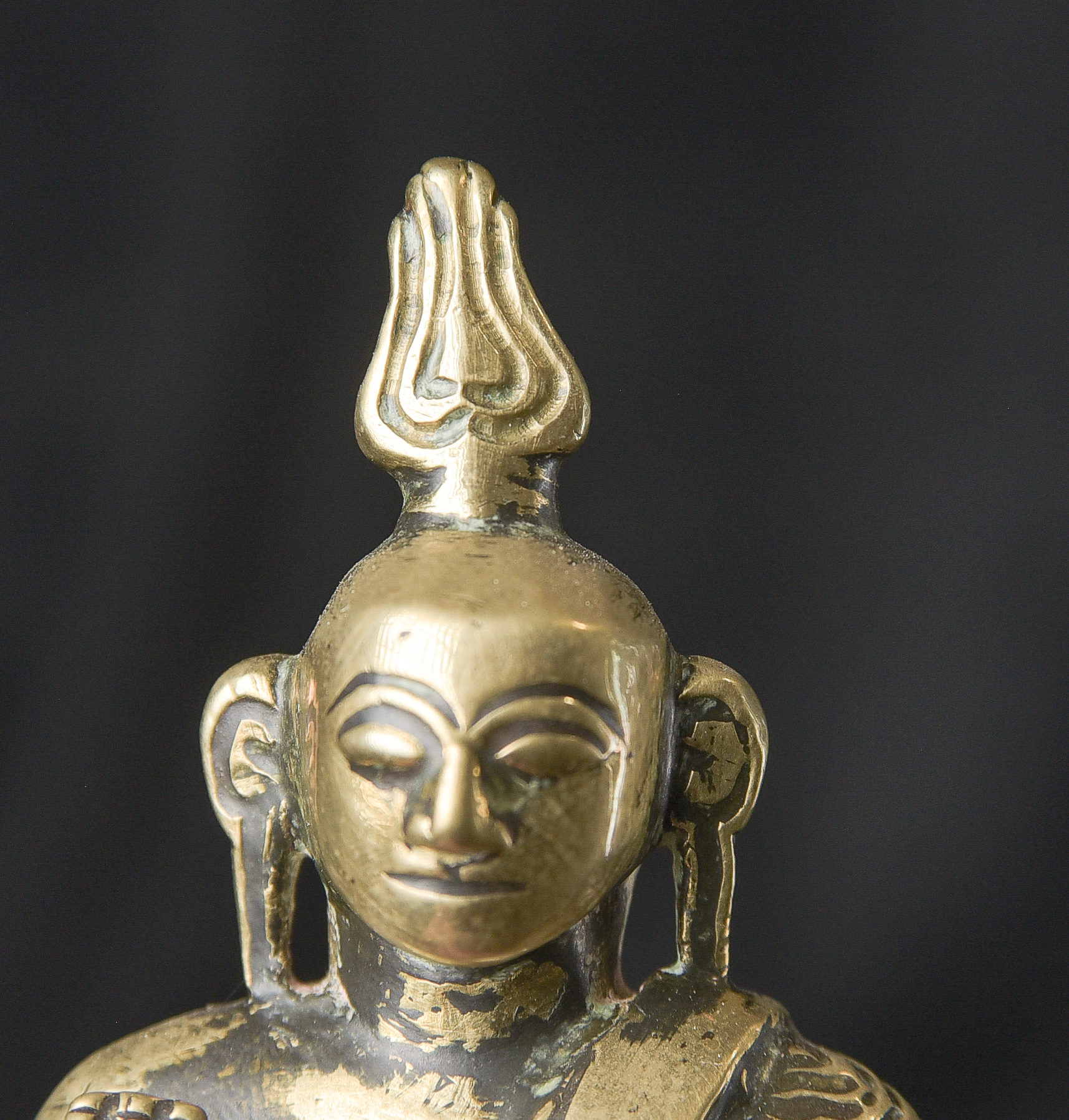
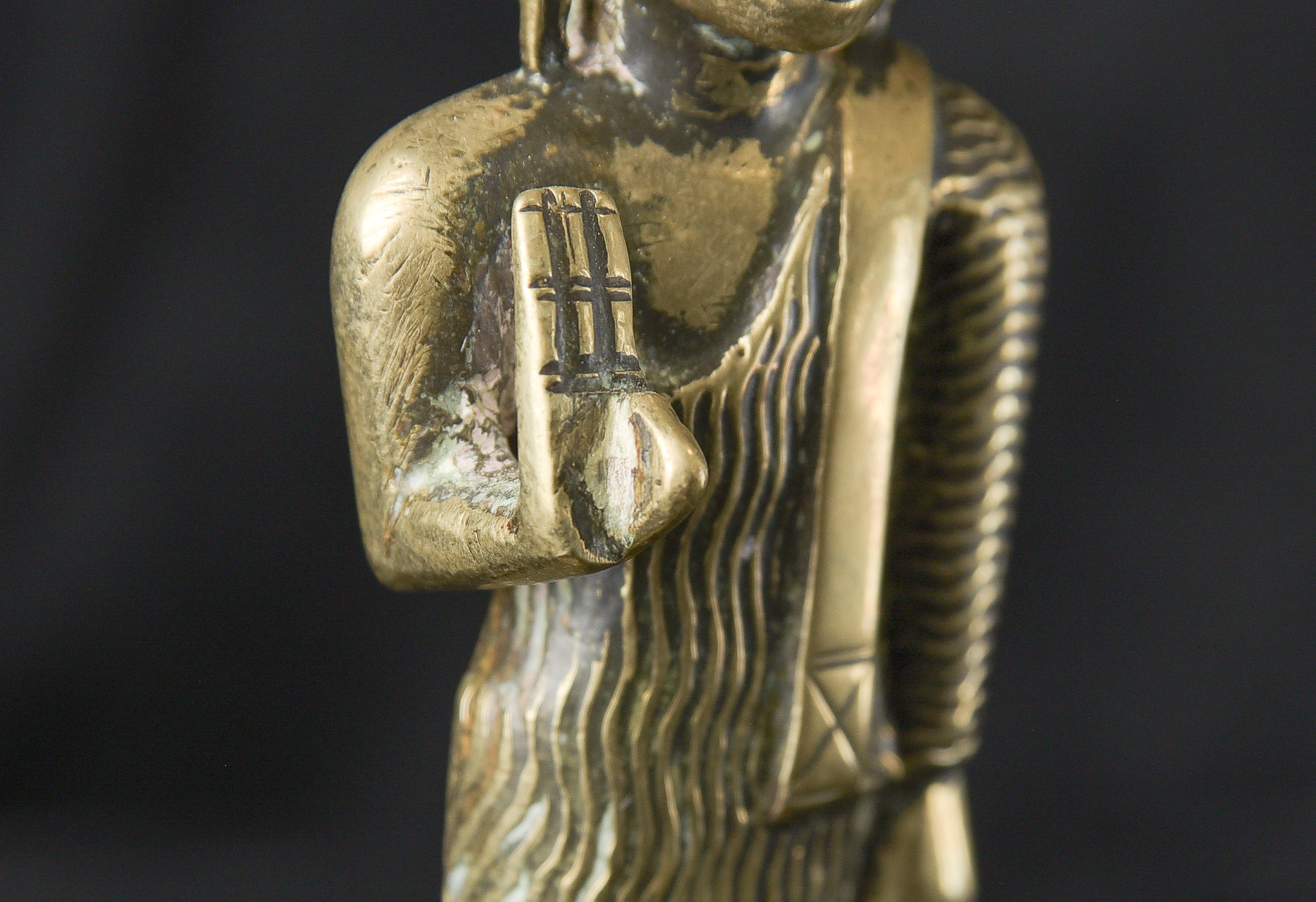
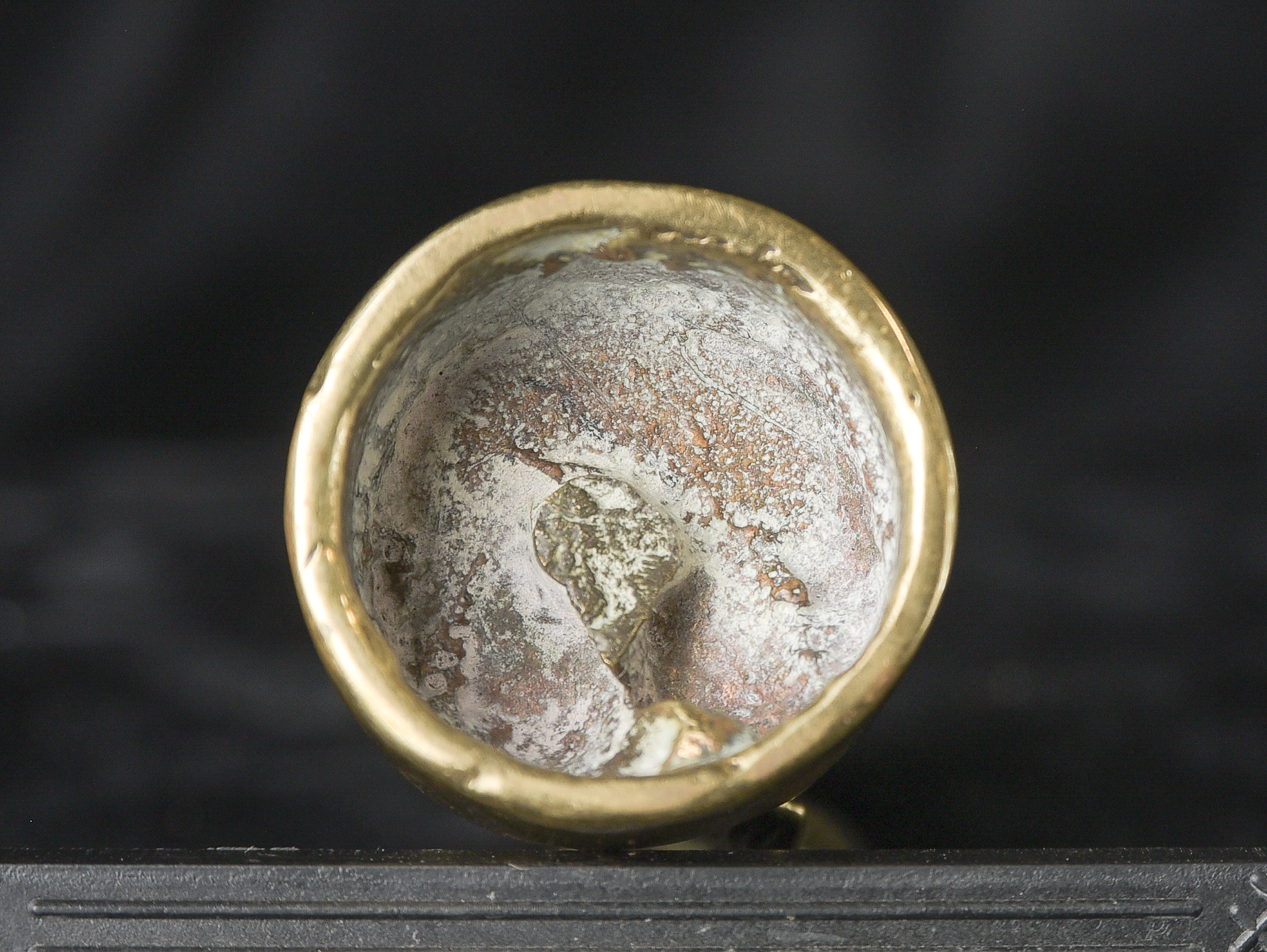
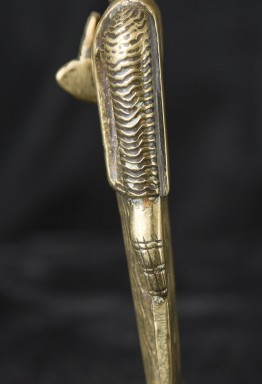
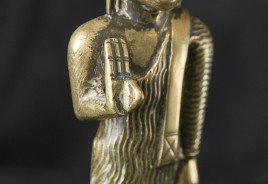
18thC Sri Lanka solid cast gilded Kandy style standing Buddha Excellent condition. This is a classic type of Sri Lankan Buddha, which closelyfollows the outline of what a Buddha needs to look like that has been followed in Sri Lanka for 1000 years. One of the important elements is that all Sri Lankan and Buddhas for this time I have been solid cast. There was an important Buddhist directive written at that time that laid out the proportions and all of the other aspects of what a Buddha statue needed to be in order to follow doctrine. No other Buddhist country as far as I am aware as a directive that has been followed so closely for such a long period of time. Any authentic Sri Lankan Buddha that you come across post 1000 A.D. and pre-20th century will be solid cast for this reason. Other countries to have rule the proportions, but not about all of the different aspects of the statue. It is interesting to note that, according to what the teachings say that I am aware of, the historical Buddha who lived 2500 years ago did not want Buddha images made of himself as he did not want to be deified or worshiped as a God or deity. He wanted people to take the teachings and not the teacher. Forthe first 500 years after his death, Buddhism and the Buddha himself were symbolized by things like empty footprint, or a wheel of the Dharma (Buddhist teaching), or even buy a pair of deer (symbolizing his first sermon at deer Park). It was not until the first century, during the time when Jesus and Jesus statues were first gaining popularity, along with the movement of Greek and Roman statues along the silk Road, that the first Buddha images began to appear in central Asia around 500 years after the Buddha‘s death. Buddha images to several routes, including along the silk Road and along maritime routes that went around to Japan and China and through south andSoutheast Asia. It is a fascinating 2000 year journey through a myriad of cultures and countries and kingdoms that created a broad array of Buddhist, art and sculpture. Part of the genius of Buddhist religion and art is that it did not try and take over or dominate the cultures it entered.-rather it join forces with them creating something entirely new. In each culture became something slightly different as in the Himalayas it joined.Bon religion, and the animistic religions of the peoples who are there, in Japan, it joined the Shinto and in India, it joined the Hindu religion, etc., these amalgams joined each other and overtime Buddhism and Buddhist art and culture slowly developed into what we know today with its three main branches. Sri Lanka was a very important Nexus as Theravadan Buddhism made its way to Southeast Asia from its origins in northern India through Sri Lanka, and even today you can see strong influence of Sri Lankan Buddhist sculpture in the sculpture of various southeast Asian cultures.
 Send to a Friend
 Inquire About this Product
Search Settings