
Click to view image and other views
Country Group:
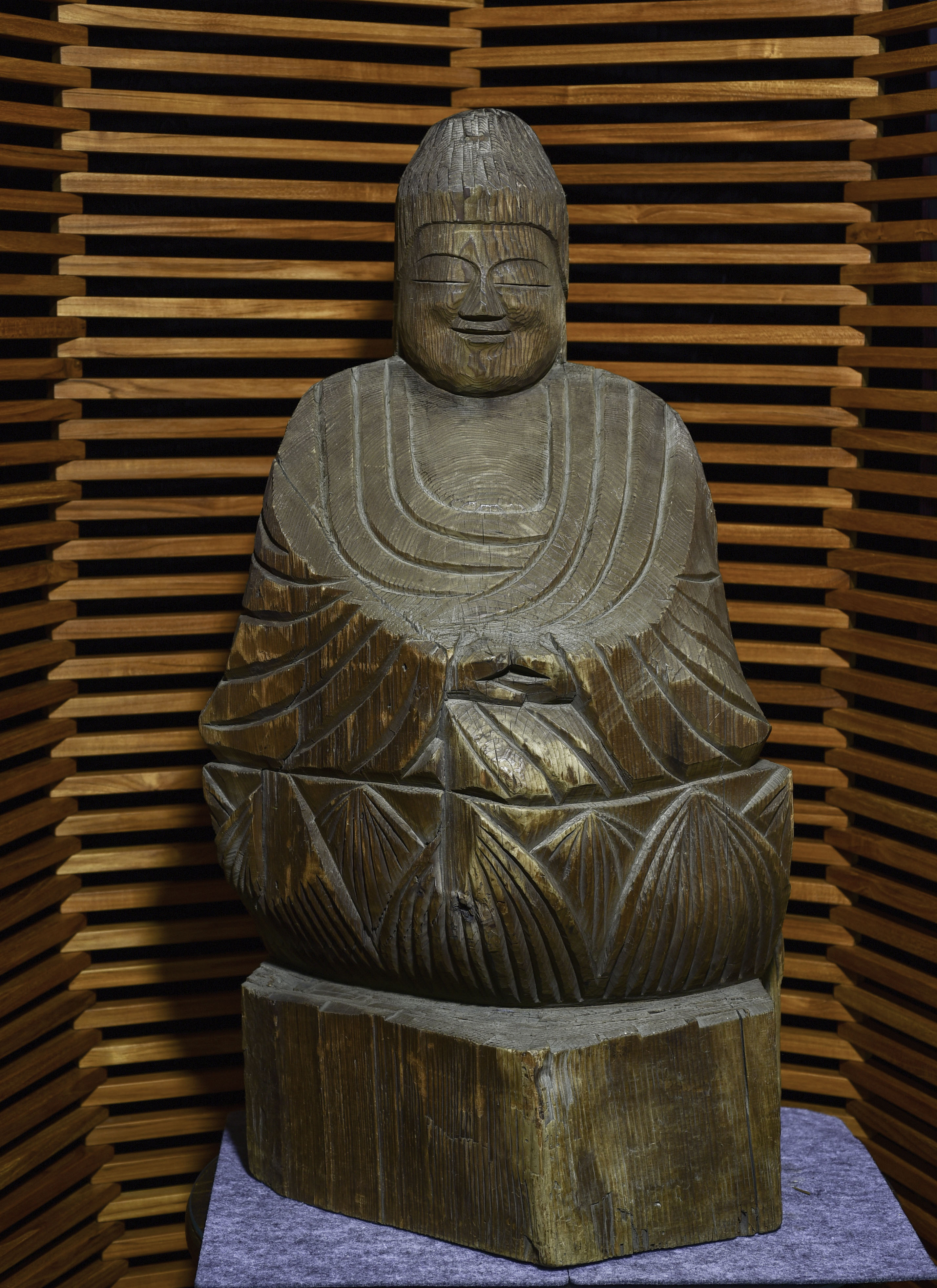
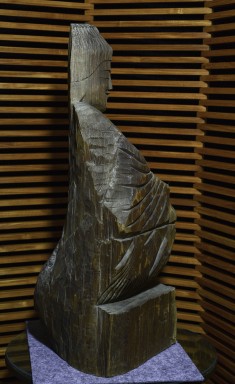
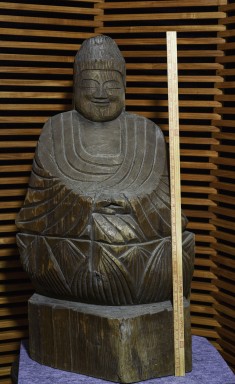
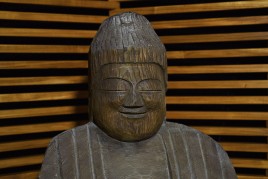
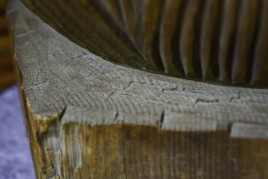
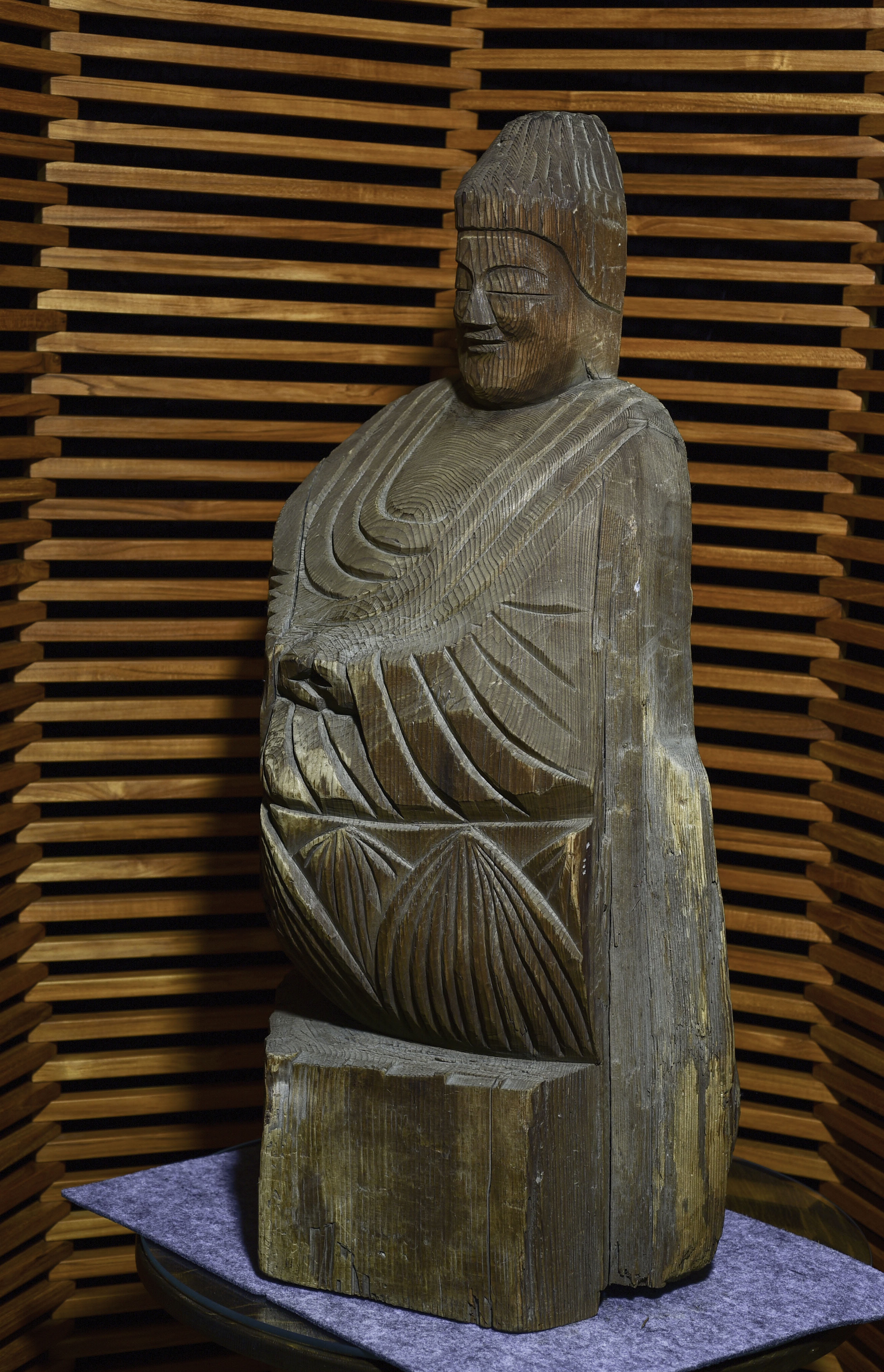
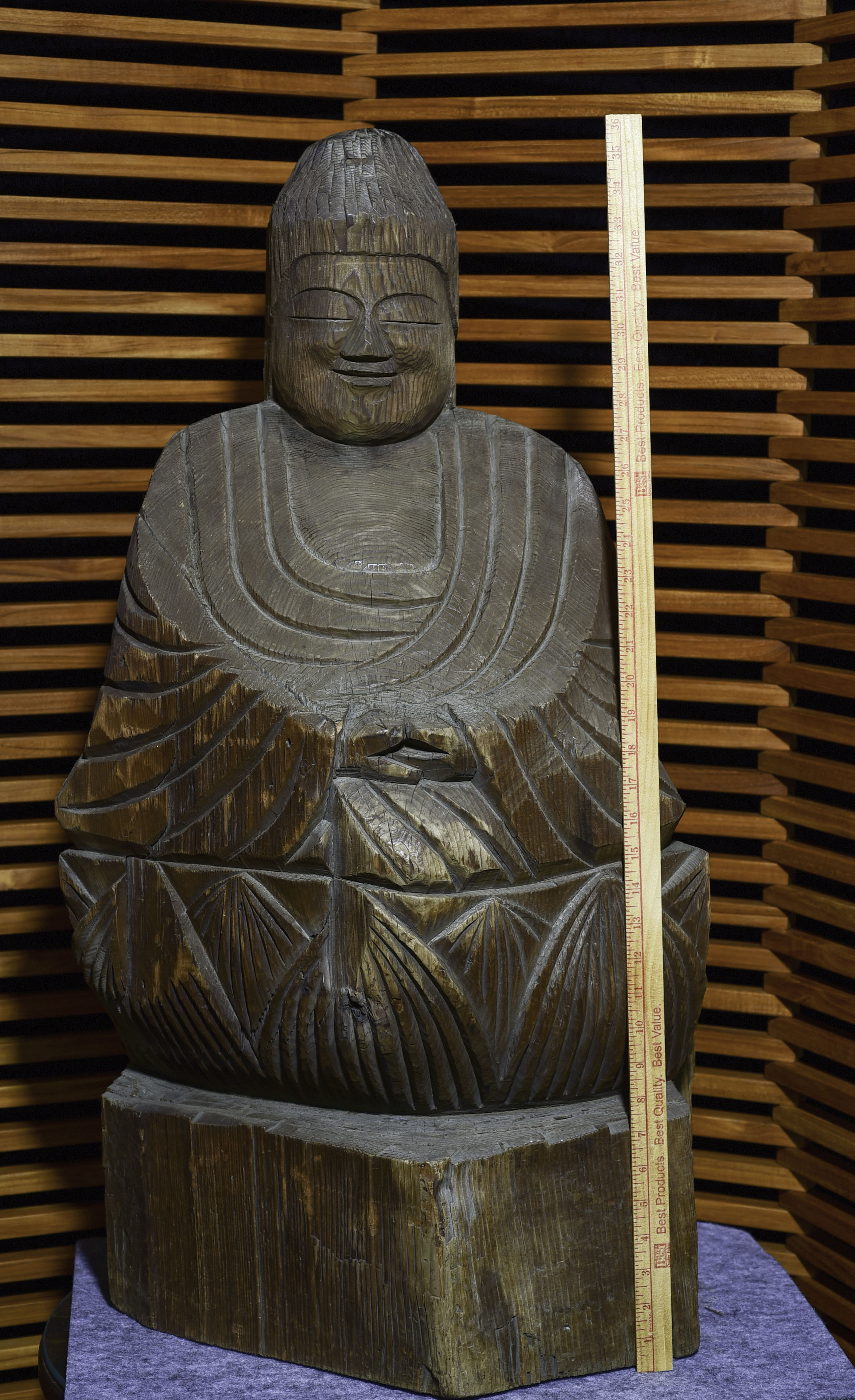
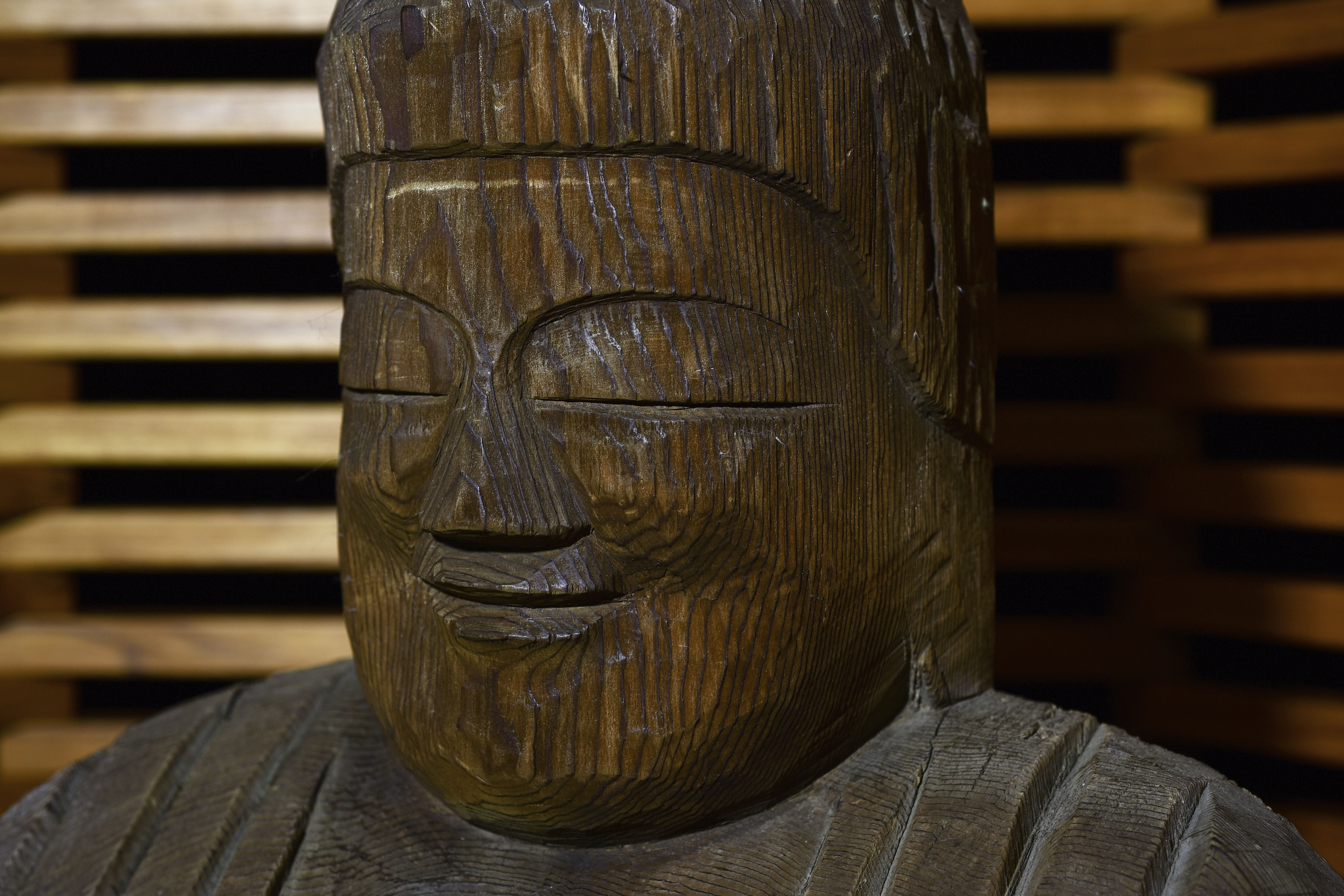
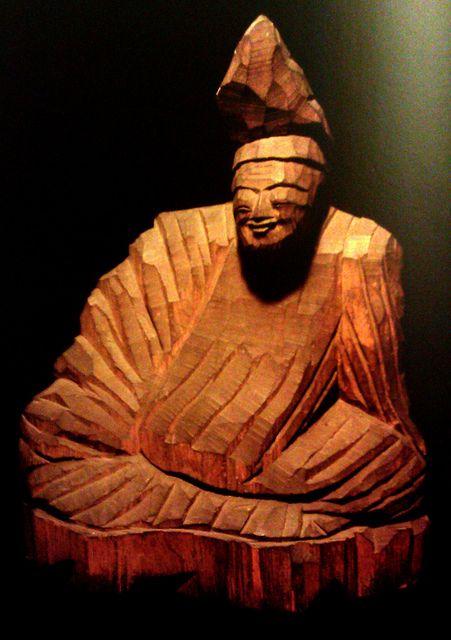
Large Early Edo Period Wooden Buddha, Attributed to Enku (Mid–Late 1600s). This impressive and unusually large wooden Buddha is almost certainly the work of Enku—the revered 17th Century Japanese monk, poet, and sculptor whose legacy is unmatched in the history of Buddhist art. Born in Mino Province and active throughout the early Edo period, Enku is believed to have carved as many as 120,000 wooden images, many offered as gifts or in exchange for lodging during his pilgrimages across Japan. His sculptures are instantly recognizable for their raw vitality, spiritual warmth, and unmistakable stylistic signatures.
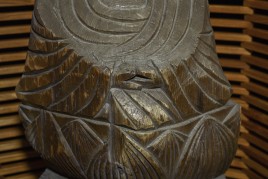
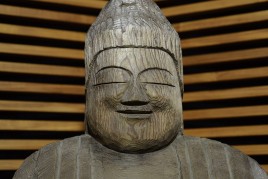
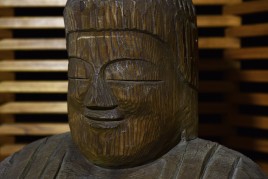
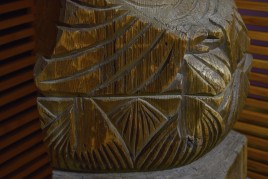
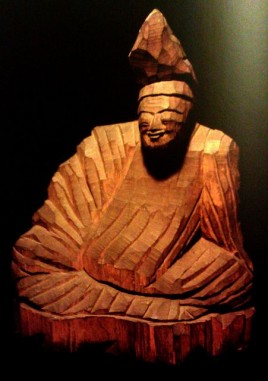
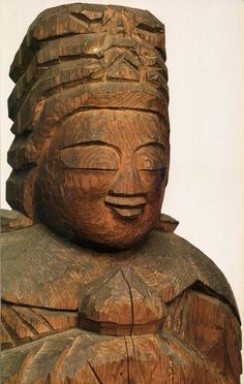
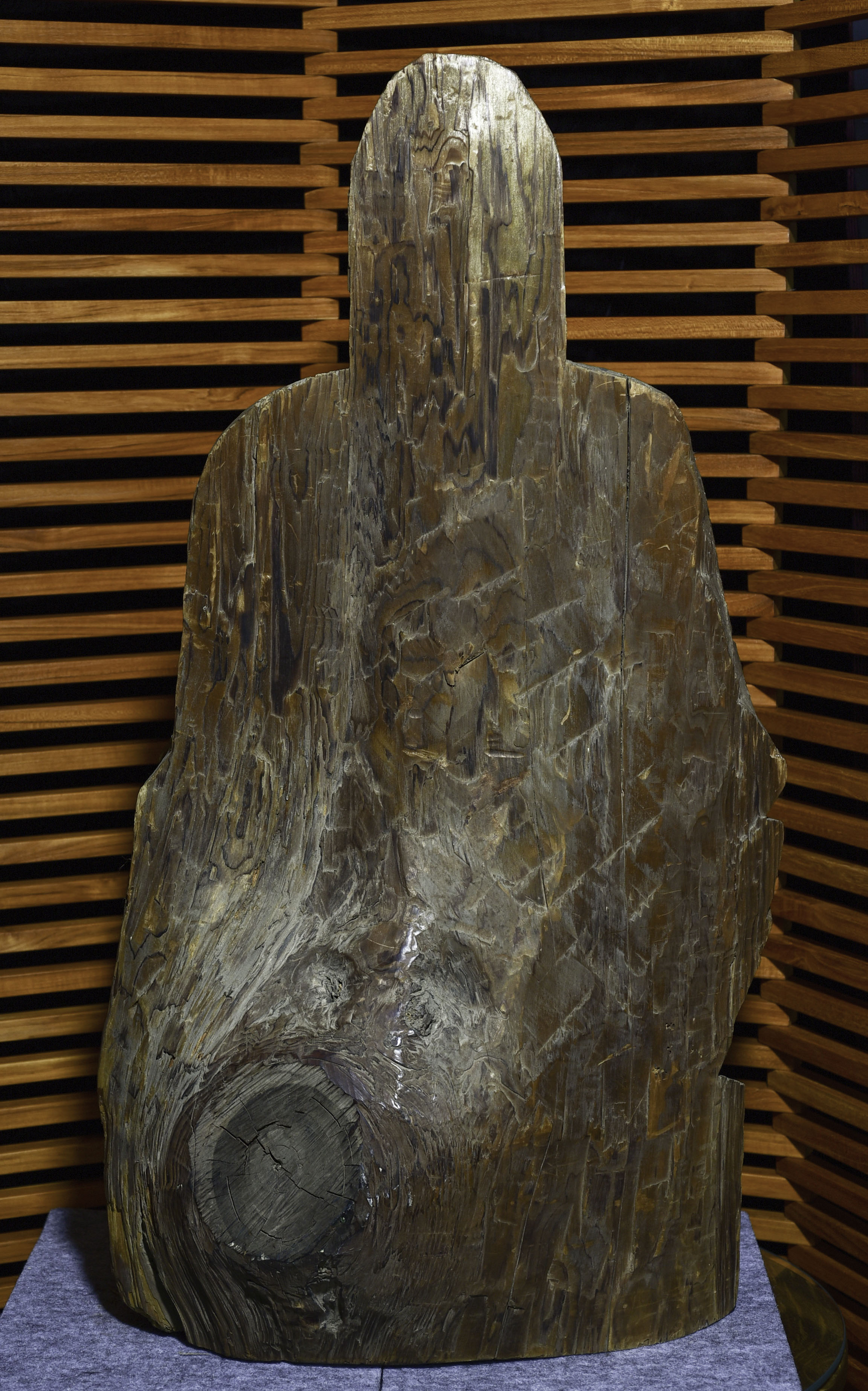
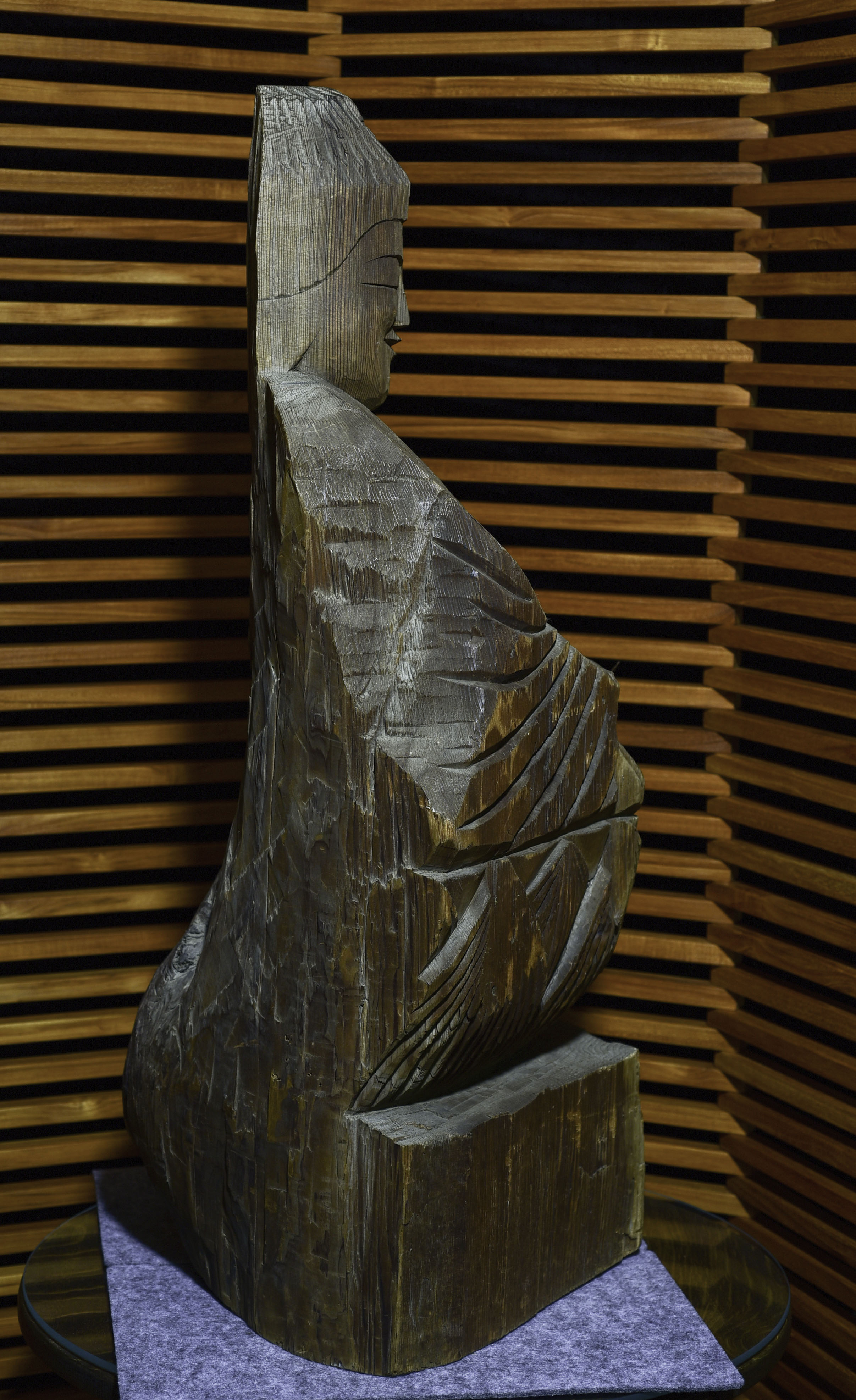
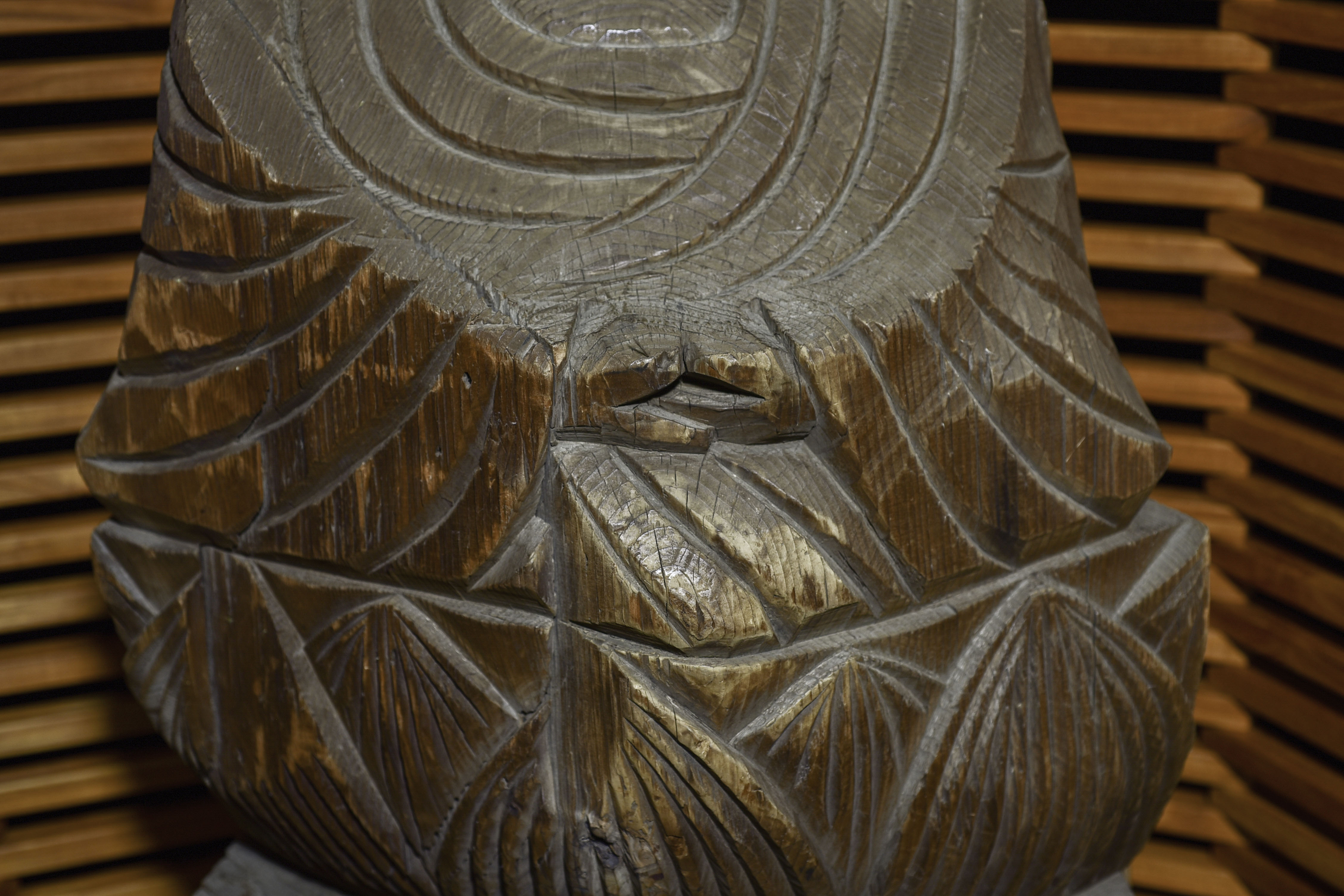
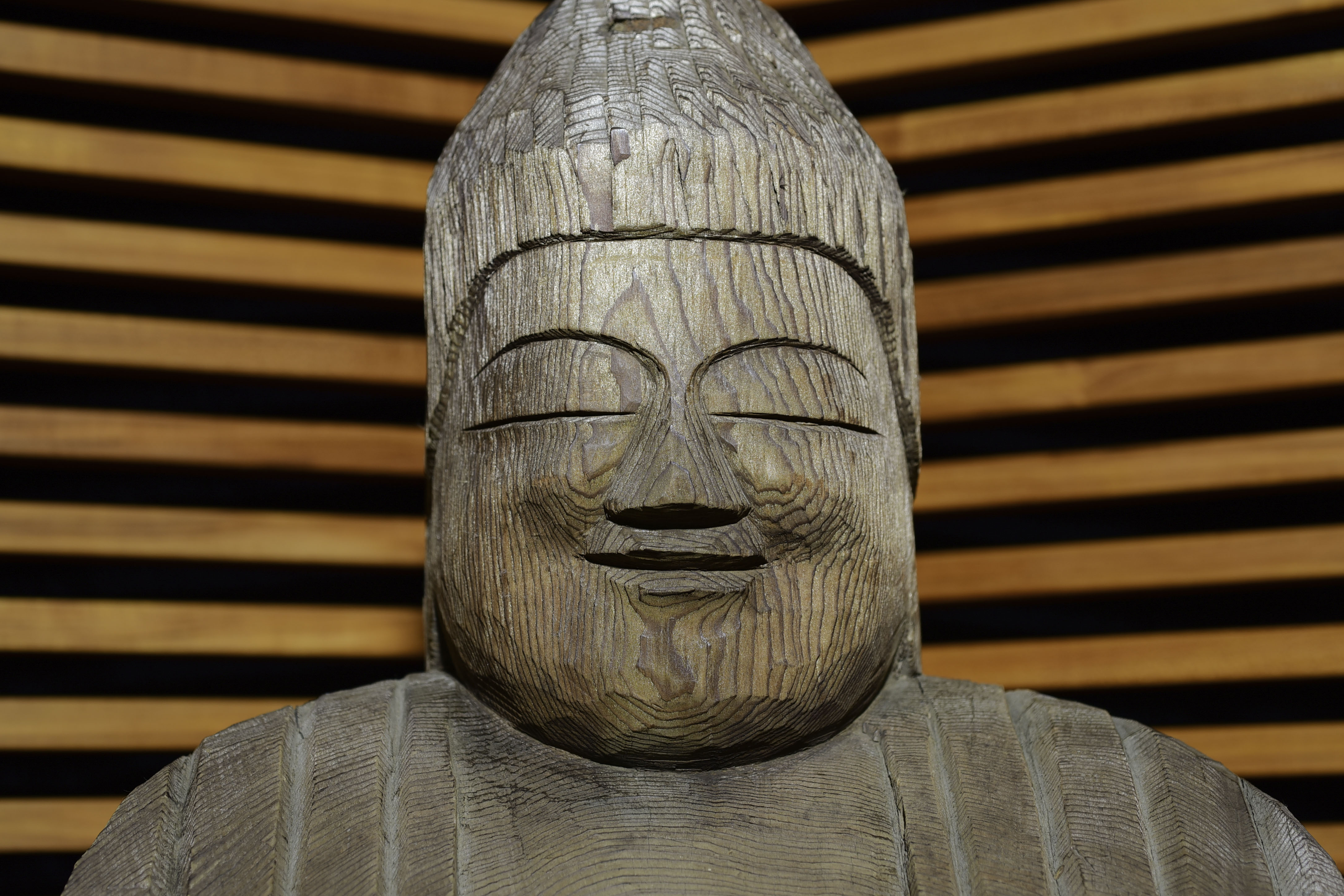
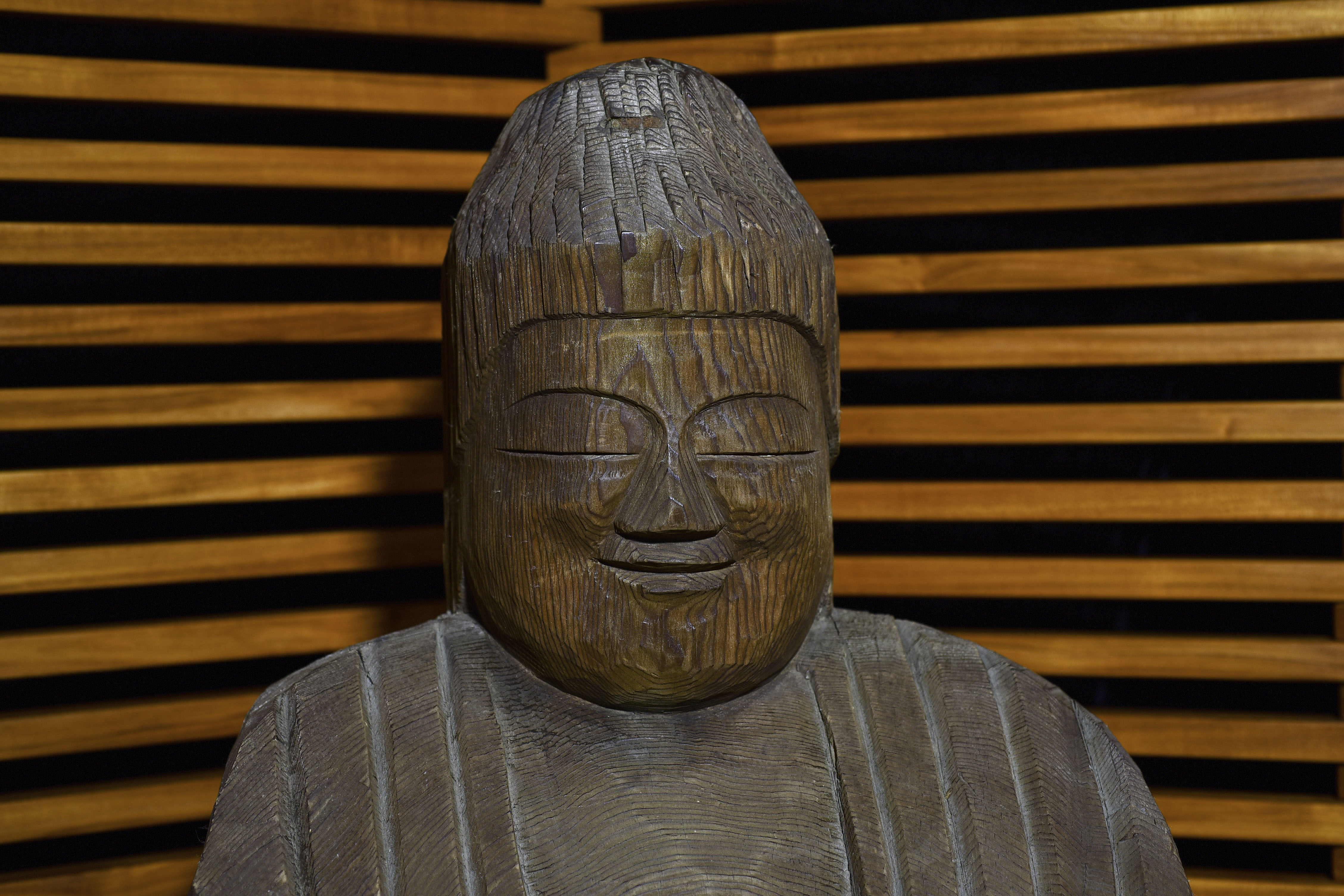
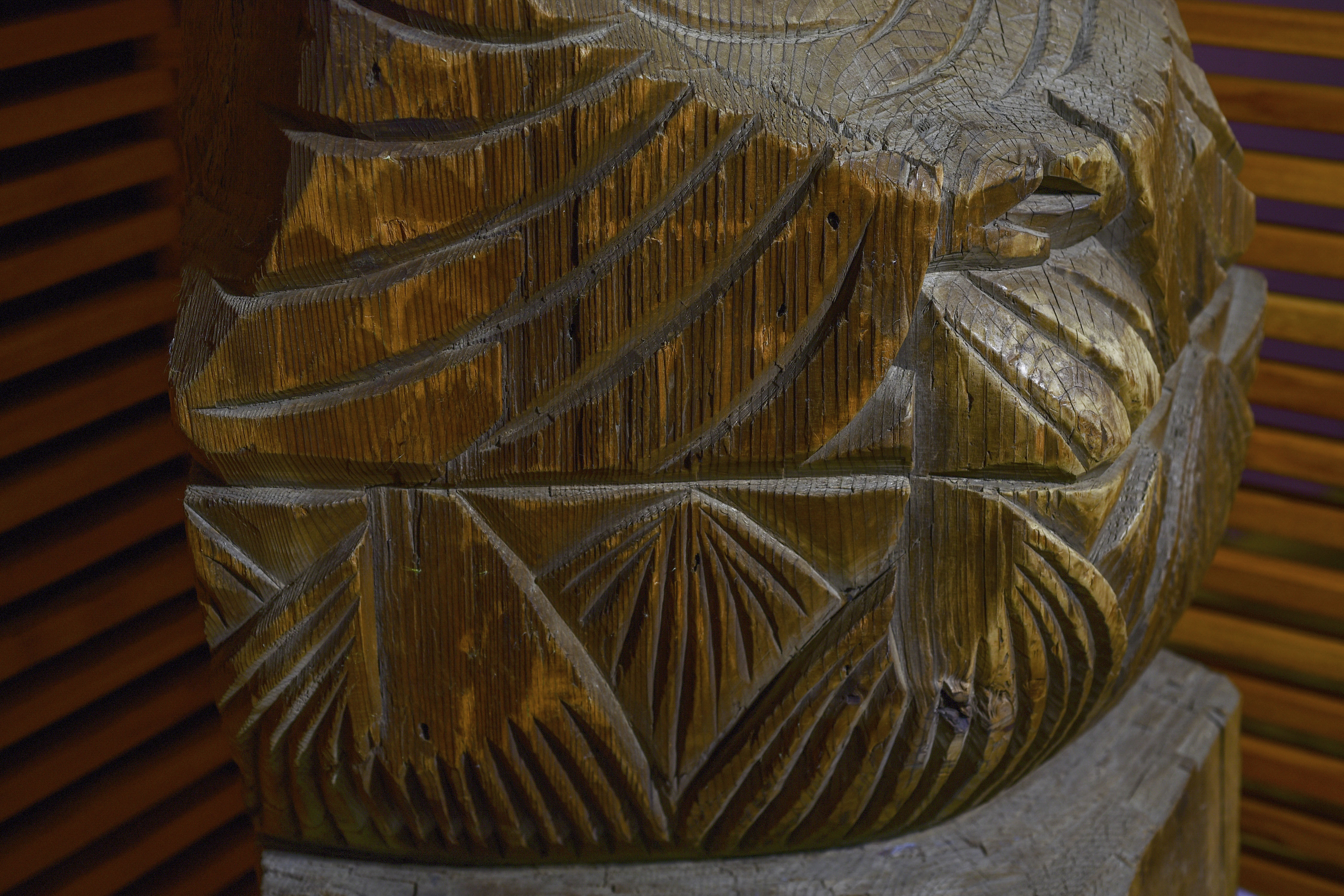
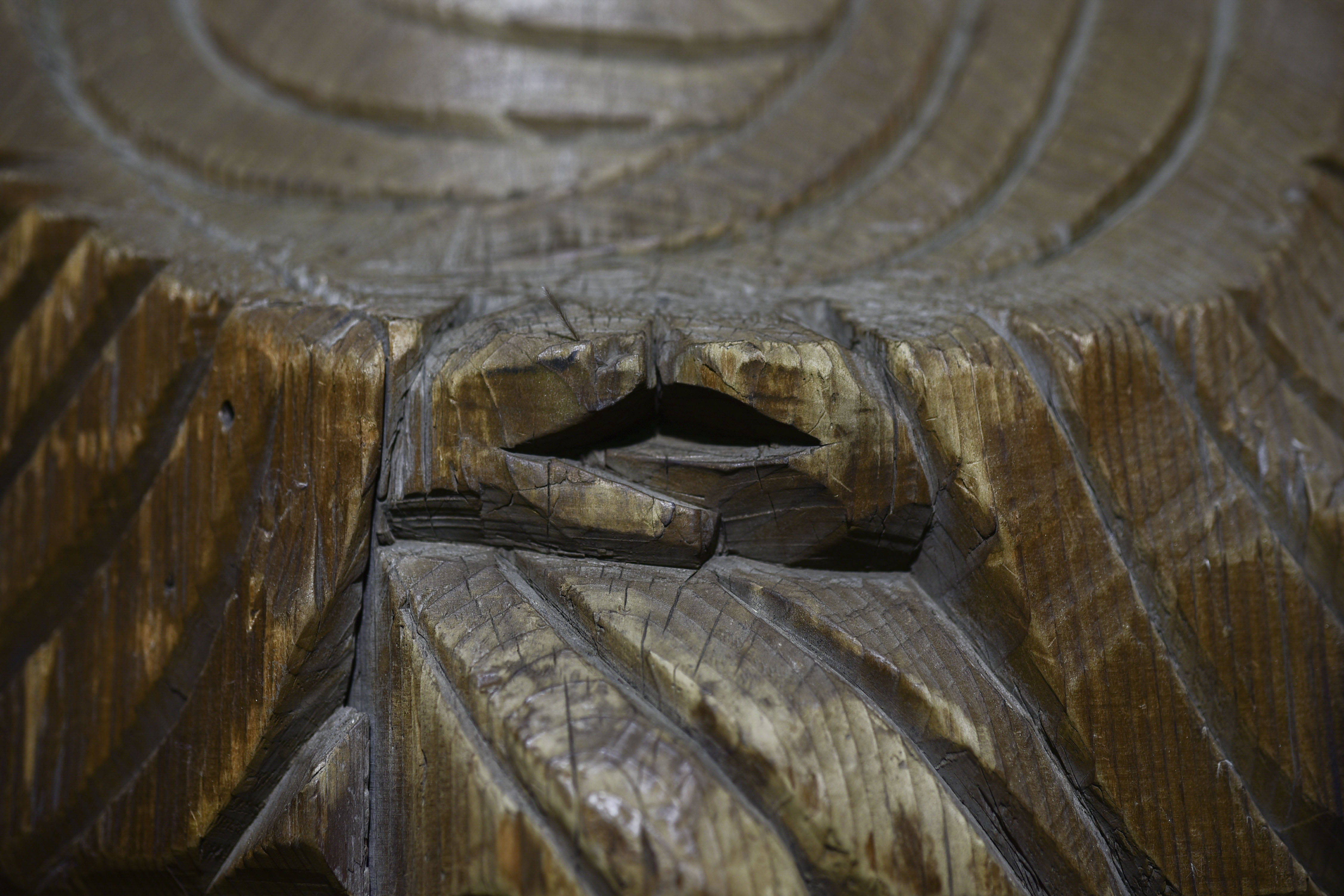
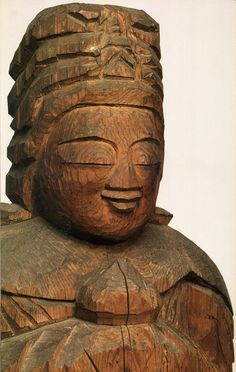
When I first acquired this piece, I was struck by its extraordinary charisma and the effortless confidence of the carving—qualities strongly aligned with Enku’s hand rather than that of a later disciple. Determined to verify my impression, I studied more than 100 documented examples of his work. Consistent traits appear throughout his oeuvre: the uniquely joyful, gently smiling mouth; the characteristic chip-carved topknot; and the abstracted, almost amorphous body marked with diagonally cut lines suggesting the folds of a robe. Every one of these hallmarks is present here.
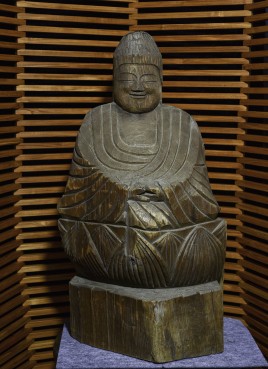
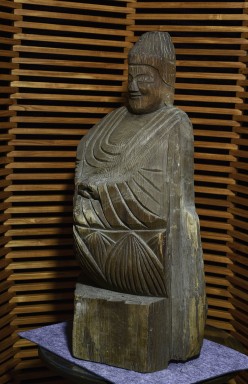
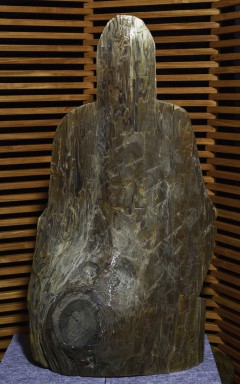
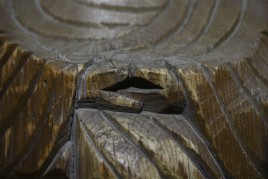
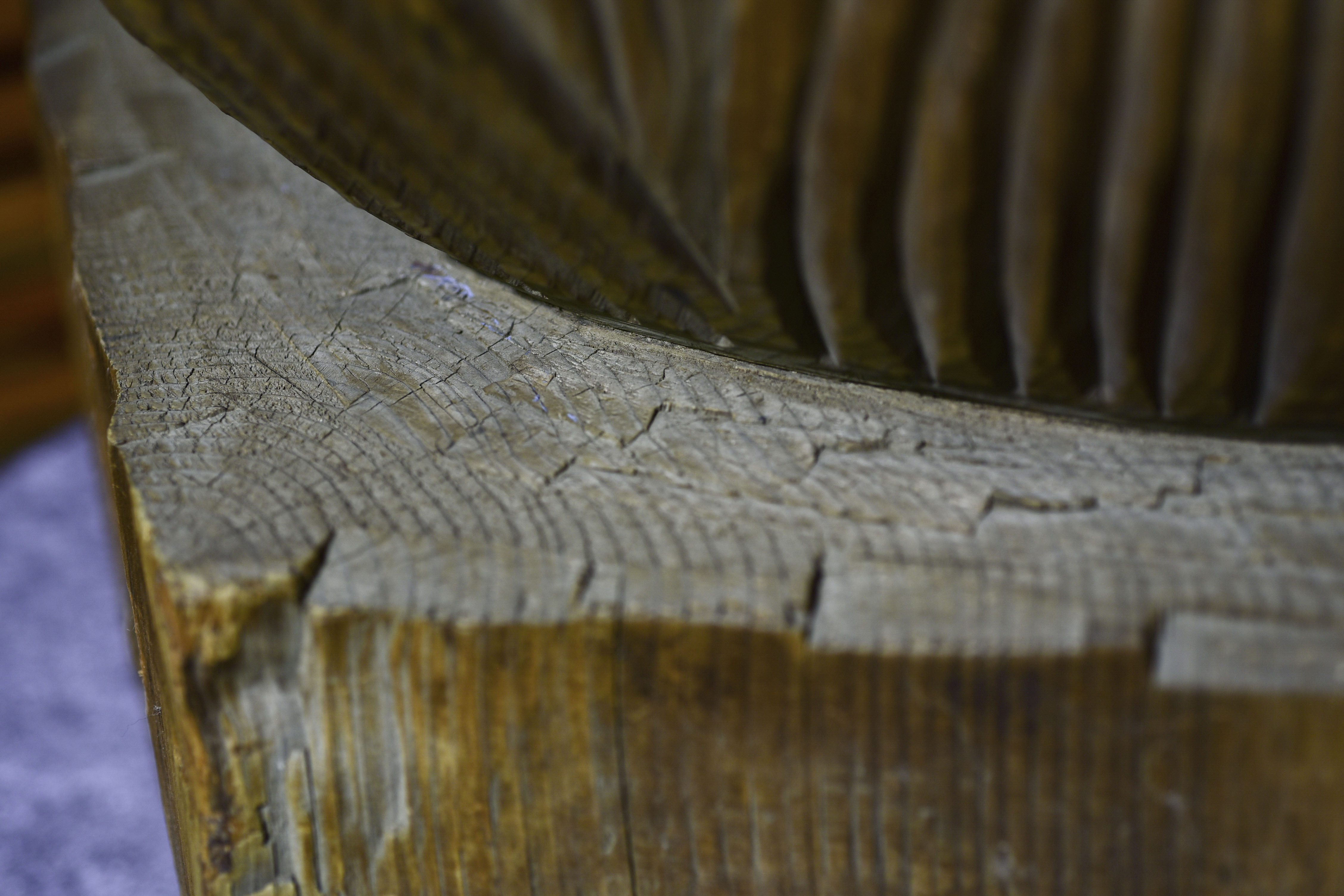
This figure holds a commanding presence and now occupies a place of honor in my home, greeting visitors at the entrance. It is notably large, constructed from several joined pieces of wood—a technique seen in many of Enku’s more substantial carvings. Unlike some examples that have darkened to a deep brown or nearly black surface, this sculpture retains a lighter tone softened by age. In examining numerous authenticated works, it is evident that darker examples were typically smoke-patinated from centuries near temple fires, whereas lighter ones—like this—were either cleaned at some point or were never subjected to heavy soot. In the deeper recesses, one still finds untouched traces of the original darkened surface consistent with Enku’s known works.
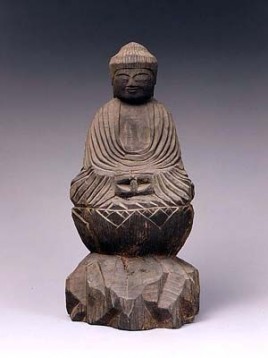
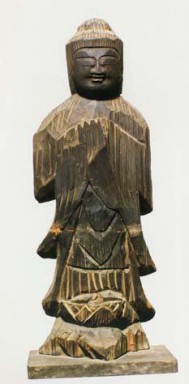
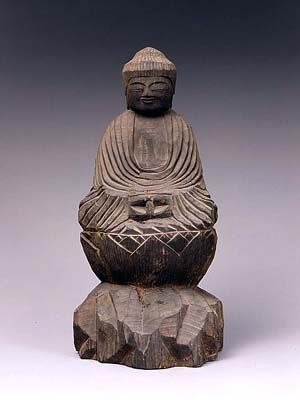
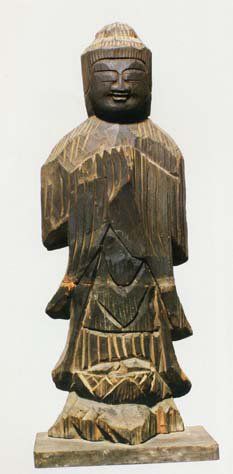
For comparison, I have included photographs of several verified sculptures. Enku’s pieces command considerable respect in the market: even modest examples often sell for many thousands of dollars. A small work offered at Christie’s on March 22, 2022, estimated at $60,000–80,000, achieved an astonishing $239,000, supported by temple provenance and a rich patina but with no more radiance or expressive depth than this one. That piece was dated 1682; I have identified a closely related example to mine dated 1678, featured in one of the reference volumes.
This sculpture will be accompanied by three English-language books on Enku—each extensively illustrated and focused on his life, style, and artistic legacy. A rare opportunity to acquire a profoundly spiritual, museum-worthy carving by one of Japan’s most celebrated and enigmatic sculptors.
 Send to a Friend
 Inquire About this Product
Serach Settings